Saturday 30th May, 2026
Hi
Sometimes you don't know how good you have got it until the good thing is gone...or going! As time ticks down to the settlement date on our house, I am appreciating the things which I like about the place that I currently call home. Over time you do get used to things being set up a certain way and it allows for a more relaxed and happy life to see the things you enjoy every day. The same can be said for things in my garden. I mentioned last week the idea of moving plants, and there are definitely favourites which will be coming with us. For the ones which we can't, or don't want to, move I will be on the lookout for replacements once we settle.
There is something about a plant as a way to remember good times: whether it is a special rose that commemorates someone, a fruit tree from your childhood which has special meaning or a tree that you associate with a period of happiness in your life which is really poignant and treasured. For me, I used to love my
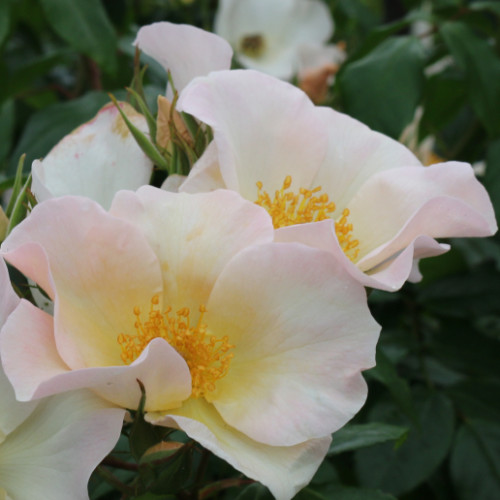
Sally Holmes rose which I picked on many occasions to take to the hospital to visit sick relatives. I also adored seeing it in my garden.
I also remember how my cousin and I used to sneak down the back of my Auntie's Taranaki garden to raid the
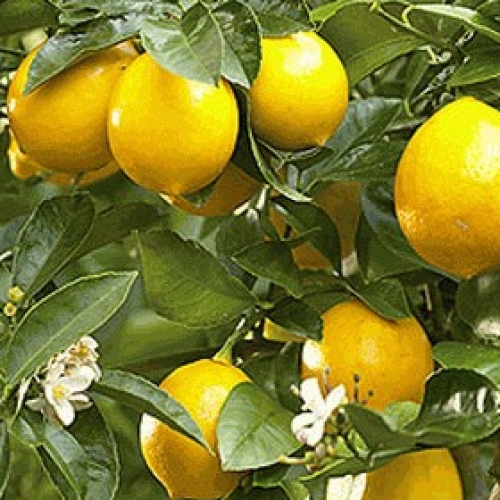
Strawberry bed and also pilfer brown sugar from the kitchen to sprinkle on lemons from a sour old
Villa Franca in the orchard which we used to love to eat. Crazy kids! I can't go past a lemon tree without thinking about those days. It's a long stretch, but my memory has it indelibly seared on it about those times - carefree and happy. Life was pretty simple. These days, with the family, it's all about trying to juggle nutrition and busy digital lives. My son has a dubious diet but loves our
Mandarin Satsuma and
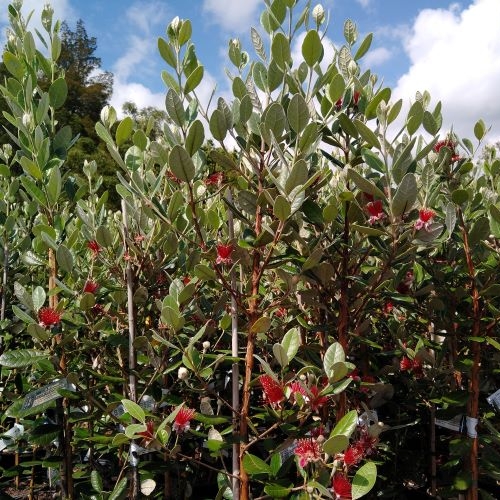
Feijoa Wiki Tu. Hopefully these are memories which will translate into plants for his own place one day.
Potting is Here!
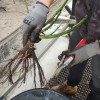
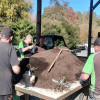
At present, life is a wee bit hectic at the nursery with the arrival in the next few months of 19,000
Roses and about the same number of
Fruit/Nut and
Deciduous Ornamental trees. It's all go! Here are some shots of the team in action. If you are in the nursery, remember to be kind - there's a lot of sore arms, backs, shoulders and other 'bits' at the moment; hopefully just until we all get used to it.
On a positive note this means we will be receiving more and more of your favourites in the next few weeks and months, so make sure you are first-cab-off-the-rank to get them. Below I discuss some of the old fashioned varieties of roses which arrived this week. Our supplier has moved properties and so we look forward to more, and a bigger selection, as they re-establish their business in the future. Going by the quality of these so far, it's a great start.
Old Fashioned Roses
There are some gorgeous old world roses (from breeders in Europe - hence the French names) which are still alive and kicking today. The reason some of these varieties have survived is because of their superior genetics - they are good "doers". Modern rose breeding sometimes focuses on one or two aspects e.g. colour or fragrance or shape but not many are successful at breeding all of these AND still retaining good vigour and high health. That is part of the reason why almost all roses these days are grafted onto high-health rootstock. This ensures virus-free stock while preserving the unique characteristics of the bud wood or scion. A few of these roses have "Souvenir" in the name which means memory. You can see how these would definitely stick in your memory if you grew one.
For something really special consider
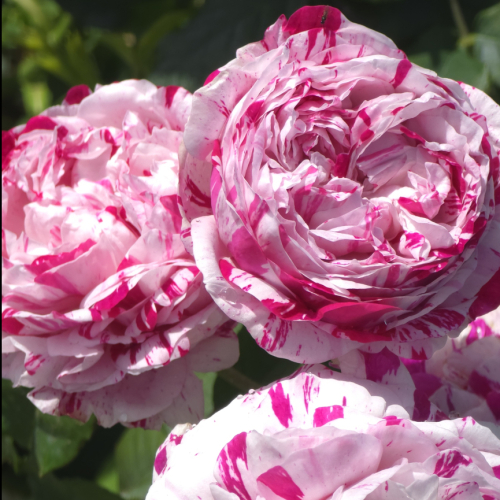
Variegata di Bologna. It's a classic Bourbon rose with a strong scent and is a once-flowering rose (flowering in the spring). With its unusual colouring and heady fragrance it's a standout for a fence or wall. On the theme of Bourbon Roses, a more recent addition is
Souvenir de Louis Amade. It has an old-fashioned name and features but was released in the year 2000 by French breeder Georges Delbard. Another which was bred in France is
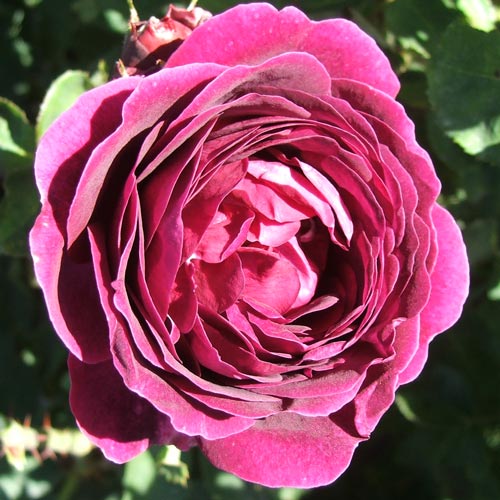
Souvenir du Docteur Jamain Clg. It has velvety port-wine coloured blooms that are semi-double, cupped and richly fragrant. The stems are virtually thorn-less. The blooms which repeat well do not like full sun so this rose should be given a semi-shaded position. The final one of the souvenir roses I will mention is
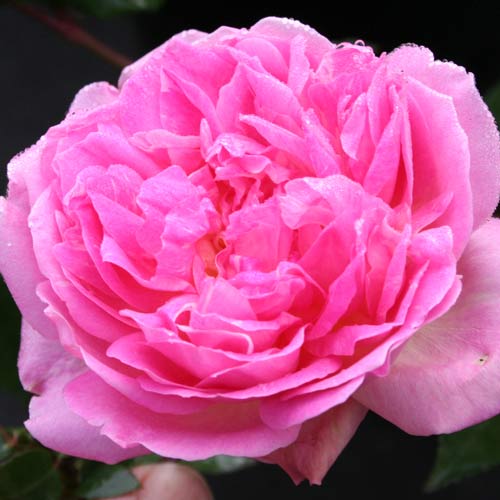
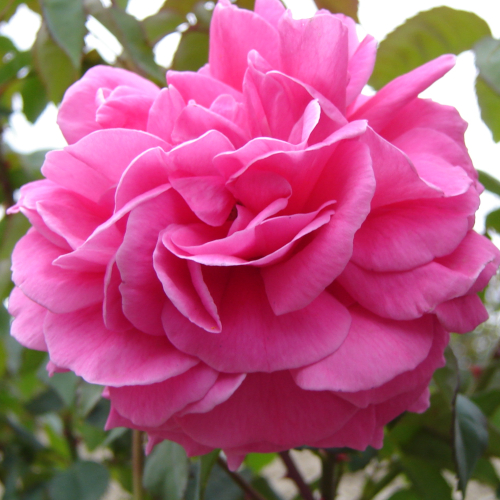
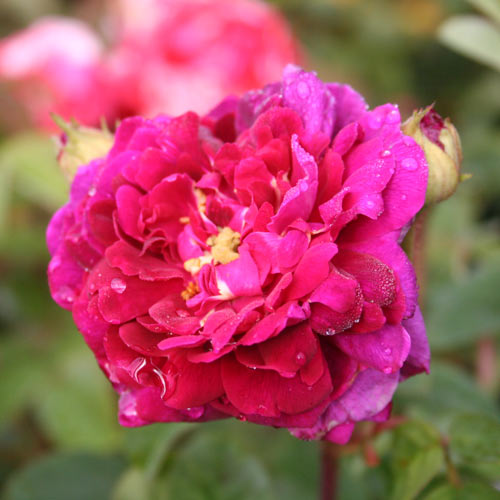
Souvenir de Monsieur Brueil which is a Bourbon rose from the late 1800's. It is a deep cerise or magenta-pink double blooms that flower in flushes throughout the season. It also has beautifully fragrant flowers and is a vigorous plant with bright green foliage.
Climbing Old Fashioned Roses
If you are looking for an almost thornless rose, check out
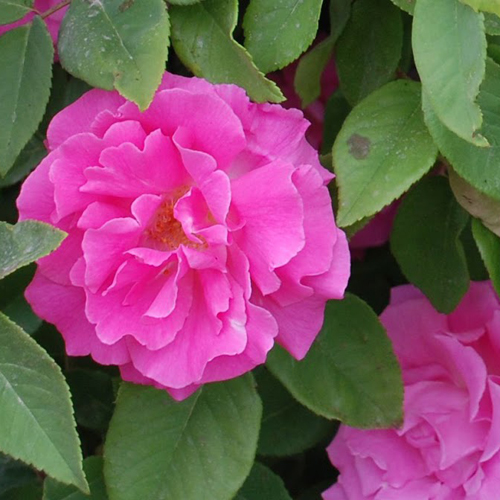
Zephirine Drouhin. This popular cottage garden rose has semi-double, cheerful cerise blooms that are sweetly fragrant and decorate the plant from summer on-wards with their abundant display. If you want a drop dead gorgeous climber, how about
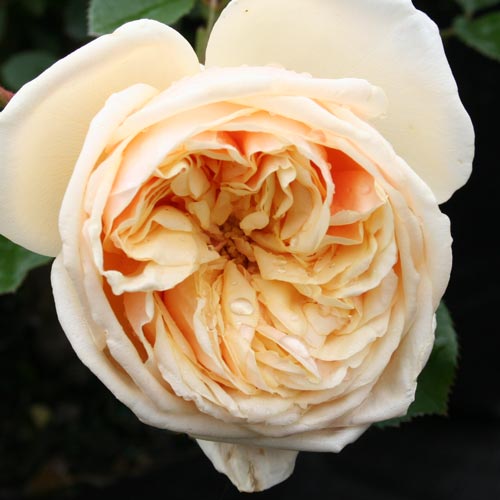
Gloire de Dijon. This one is a beautiful, repeat-flowering old rose that has large, full, quartered flowers. The buff apricot flowers have a delicious 'old world' fragrance. After 150 years it is still a firm favourite.
For a more rambling rose check out
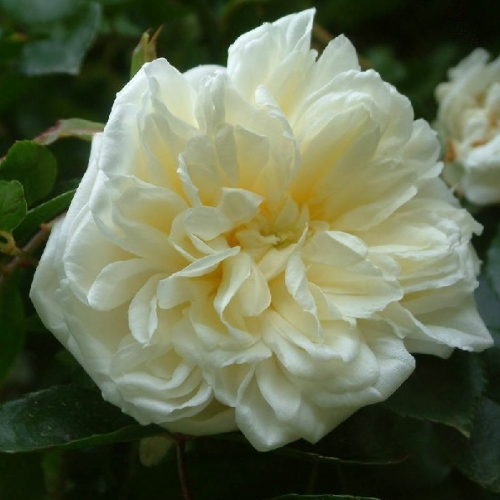
Alberic Barbier. This popular, spring flowering rambler has beautiful, slightly scrolled, lemon buds that open to a double cream delight. Glossy foliage is produced on long pliable stems. It has a nice sweet fragrance, is tolerant of some shade and is relatively disease free. Another vigorous climber is
Felicite et Perpetue which bears clusters of small, creamy-white, fully double, cupped, rosette-shaped flowers often with a hint of pink. It makes an admirable climber, with dark green, glossy leaves offsetting the flowers to good effect and also has a nice fragrance. It was named by the breeder after his two daughters, who were in turn named after some early Christian saints. What ever the reason for its odd name, it's a beautiful rose.
Gallica Roses
Gallica roses are native to southern and central Europe and were one of the first roses propagated in Europe. The hybrids of these roses are important in the history of rose breeding as one of the cultivars,
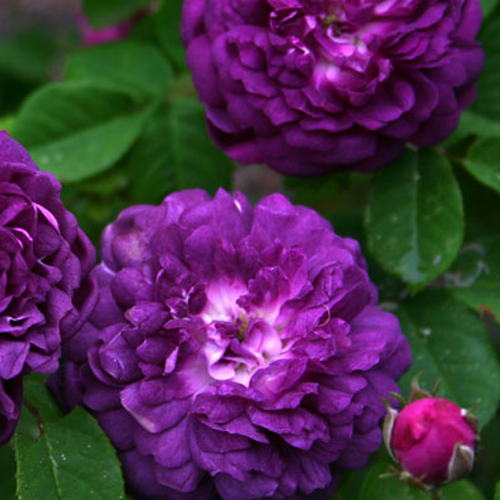
Cardinal de Richelieu, was the starting point for breeding blue roses and
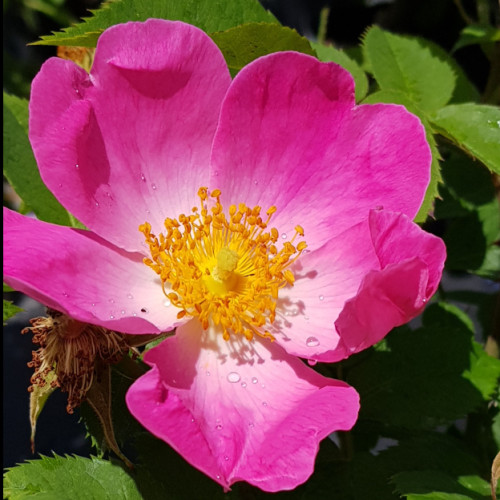
Rosa Gallica 'Officinalis' is the official red rose of the house of Lancaster (from the war of the Roses) in the 15th century. They are very ancient and usually take the form of compact, suckering shrubs which have very fragrant flowers in early summer. Check out these varieties which are all in the Gallica group.
Strawberries in Store Now
Strawberries belong to the rose family (Rosaceae) which is a massive and diverse collection including many ornamentals and edible plants. Botanically, the berries themselves are actually a whole collection of individual achene (small, dry one-seeded fruit that do not open) rather than a true berry like a blueberry or gooseberry. Funnily enough, the list of true berries also includes bananas, tomatoes, grapes and peppers, but most people don't consider these as berries!
Whatever you call them, strawberries remind me of summer, ice-cream and barbeques in the sun. Our strawberries are probably the cheapest (and best) in town as we sell them unpotted at this time of year.
Camarosa is a short day variety which means the flowers (and the fruit following the flowers) are initiated when the days are less than 8 hours long. Planting now will ensure a crop in Spring followed by a larger crop in time for Christmas. These fruit are high yielding with medium sized berries and a delicious flavour. Be sure to nab yours now before they sell out. Speaking of things to plant now: it's also Garlic time.
Garlic
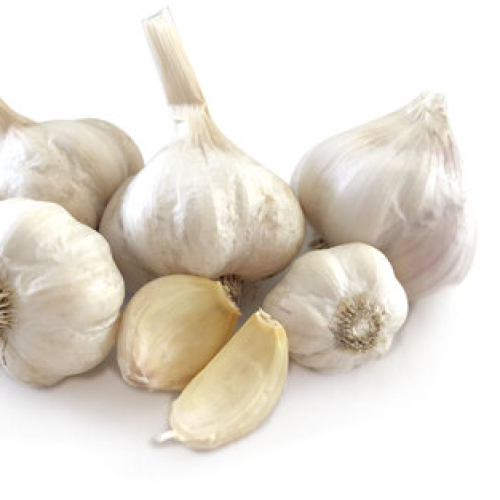
Garlic is one of nature's wonder foods and it has many beneficial properties. It has been documented as being in our diet for about 9000 years at least. In fact, the ancient Egyptians fed garlic to the pyramid builders to ensure they were strong and able to endure the punishing physical workout which they endured. Maybe we should be feeding it to our potting team!
It is also associated with warding off evil spirits and sickness, so in the Middle Ages people would wear it around their necks in an attempt to ward off the plague and other diseases. While it is safely and easily consumed by humans, it is toxic to dogs and cats as it contains thiosulfate which can damage their red blood cells.
There are a lot of traditions associated with planting garlic, and one of the most commonly quoted ones is that you should plant it on the shortest day and harvest in mid summer on the longest day. However, planting earlier than that (April, May, June) allows the bulbs to develop a strong root system well before the full dormancy of winter, meaning they will spring to life earlier in September and produce healthy plump bulbs for you to harvest in December. For best results, plant separated cloves 5 cm deep and pointy side up in full-sun with good drainage and add plenty of organic matter (compost, well rotted leaf mulch) to ensure the bulbs have lots to feed on as they grow. Plant individual cloves 15-20 cm apart and leave about 30 cm between the rows to ensure good airflow.
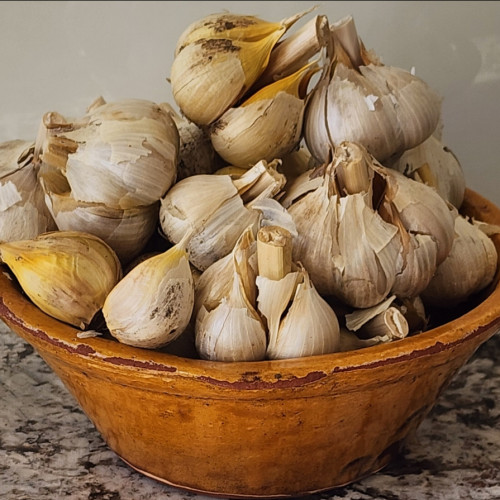
Elephant Garlic is a completely different plant to garlic; it is more closely related to the leek family. It has a much milder and sweeter flavour than ordinary garlic and so it's treated more like a vegetable to add in with your "roasties" whereas
Printanor is better for adding flavour to your other dishes. Elephant garlic enjoy the same sort of full-sun and well-drained position as most vegetables and need to be planted a bit deeper i.e. 10-15 cm deep with 20 cm between the cloves.
These guys behave a bit differently from other garlic as they often send up a strong central shoot with a flower spike called a scape. It's important to break off this stem at the base so that the bulb puts its energy into growing nice and fat rather than feeding the flower stalk. This breaking off process is called scaping. Once this is done, you can look forward to harvesting in mid to late summer once the lower leaves start to brown off. Lift out of the ground and leave in a warm dry place to dry off. Once the outer leaves and the roots are completely dry, trim off the roots and stem about 5 cm above the bulb.
New at the Nursery
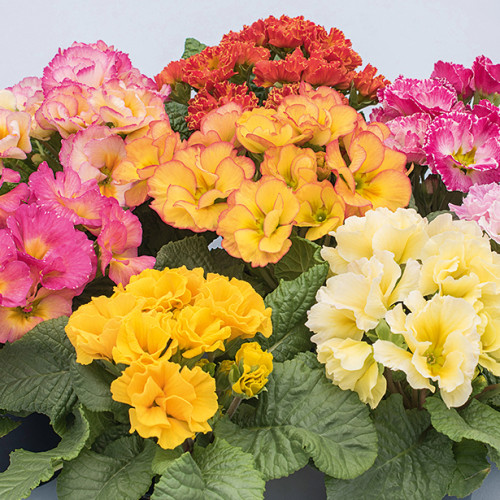
Apart from all the roses coming in, we have just received some pretty new primula called
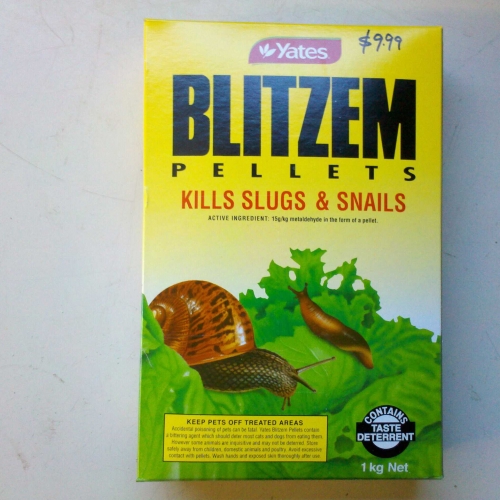
Elodie Doubles. These are perfect for a planter, pot or to add a splash of colour to your entrance-way or border. They love the sun and will grow in partial shade as long as the soil is well-drained and you add a sprinkle of dried blood for great repeat flowering. Keep the slugs and snails at bay and remember to remove spent flowers occasionally to encourage more - pinch the flower stalk at the base to make sure it doesn't rot.
Our friends at the Franklin Rose Society Rose are holding a Pruning Demonstration & Rose Care Discussion on Sunday 21st June at 1:30 pm. They invite everyone to attend whether experienced or beginner. Watch a rose pruning demonstration and learn how to keep your roses healthy and flourishing. They say they will also have an open Rose Care Discussion, so bring along any questions you may have — they would love to help! Everyone is very welcome. For details re. the venue, or for further information email: franklinrosesociety@gmail.com
or Contact Debbie: 027 811 1127.
I hope you will be enjoying this long weekend in the garden at some stage, and look forward to seeing you visiting us to check out our new roses.
Regards Tracy.
Cheers from Lloyd, Tony and the Wairere team.







-Bag.jpg?t=1780009029 "Compost 40L (Daltons) Bag")