Our weekly email news letter. Sign up here to get them delivered straight to your email in box. See below for previous issues...
Please note that product availability and prices may have changed from when this newsletter was sent. Please check this site or phone us for current availability and pricing.
Saturday 19th September, 2026
Hi
Our new neighbour across the road stopped by at the weekend to introduce herself and welcome us to the 'hood. She said it was a friendly place to live and people looked out for each other and shared information, questions and even produce from their gardens. "Sweet, that's a bit of me" I thought, and duly signed up for the neighbourhood FB page. After a quick blurb as the newbies in the street, I mentioned the likelihood that disturbances to the peace, with our chain sawing and chipping, are likely to be ongoing for a while. The response was positive, one neighbour mentioned that the trees that we have removed already have allowed her to see Mount Te Aroha again.
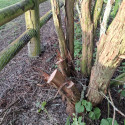
It's one thing you don't think too much about, but sometimes your garden does have an impact on others: good and not so good. For example, your plants might be blocking a view or adding a barrier to stop others seeing something ugly. I was also thinking about this yesterday when I came home and spotted a ladder up against our fence on the downhill neighbours side. Sure enough they had done a spot of pruning, completely justified, of our tree which was hanging over their property. I might need to discuss the three point cut with them though, as it wasn't pretty (see image below). Sigh. Just goes to show that keeping on good terms with people in your vicinity is all about compromise and sometimes you have to go with the flow.
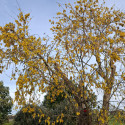
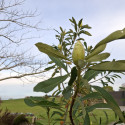
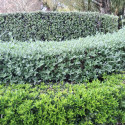
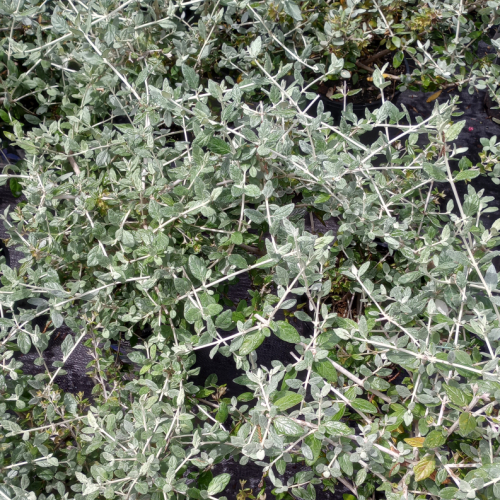
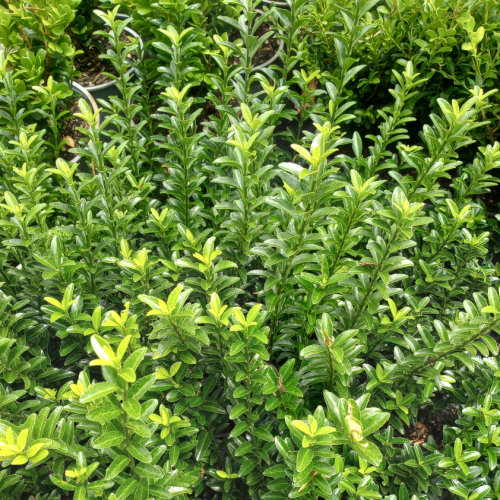
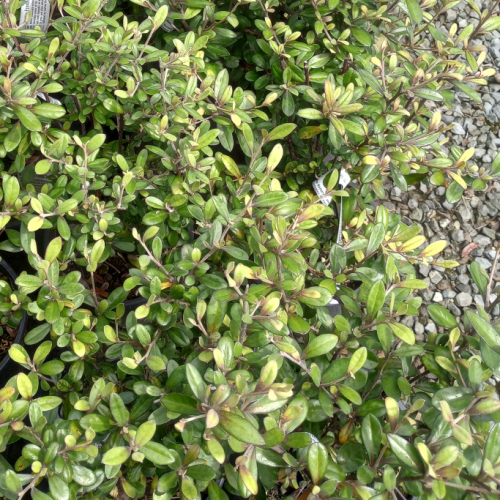
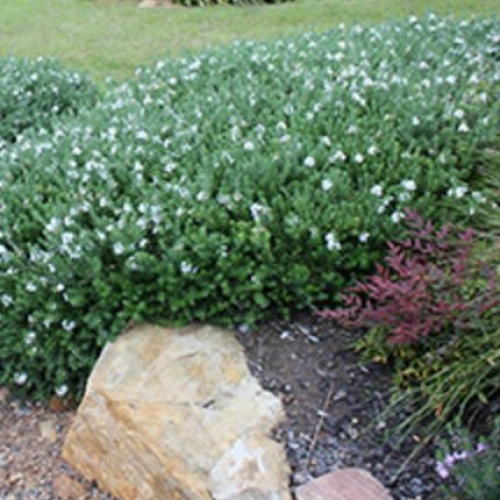
Also pictured below are some delights from my garden including a white telopea (Waratah); No, we are not getting them at work, sorry! The last picture is a sandwich of hedges from Wairere display garden - Corokia at top, Teucrium and Euonymus at the bottom.
Hedging
Speaking of "love thy neighbour" - anyone for a dense screen to prevent others spotting what you are up to at home? Yes that's right, hedging is the thing we all need. We wanted it yesterday and can't wait for it to grow, but also hate trimming it. It's the age-old dilemma - fast growing... check, need to trim more, also check... damn! Your choices are basically in two camps - the sprinters and the stayers - to borrow a racing analogy. The sprinters include natives such as Griselinia and Pittosporum. These guys live here (NZ) so are perfectly adapted to thrive and will almost certainly double in height in one year. In two or three years you will have a dense hedge; as long as you have taken to it with the clippers during the spring and autumn and kept knocking off those top buds. By trimming on a regular basis from day dot you will encourage sideways and bottom growing buds to go for gold. This goes for all types of hedging: whether tall, short, fast growing or slow growing. We have just received some larger specimens of Pittosporum Mountain Green which will get you well on the way to a 1.5-1.8m hedge.
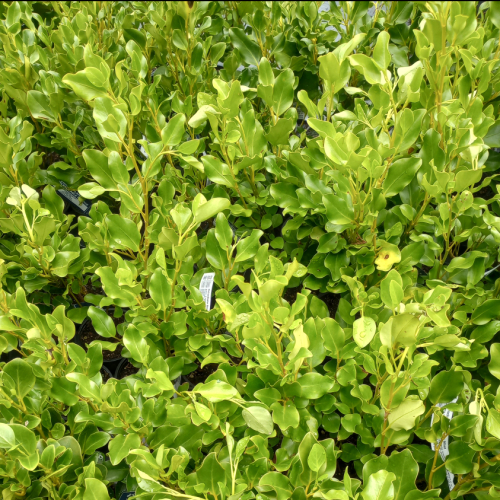
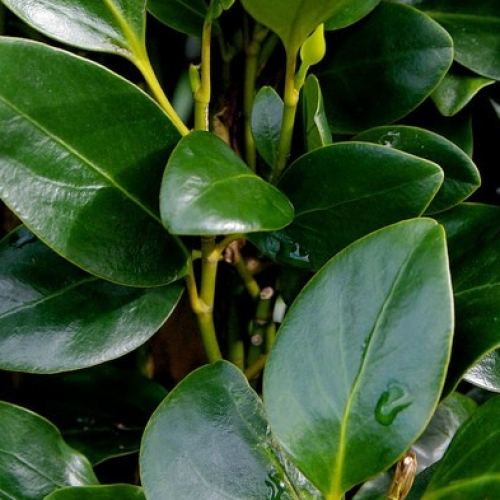
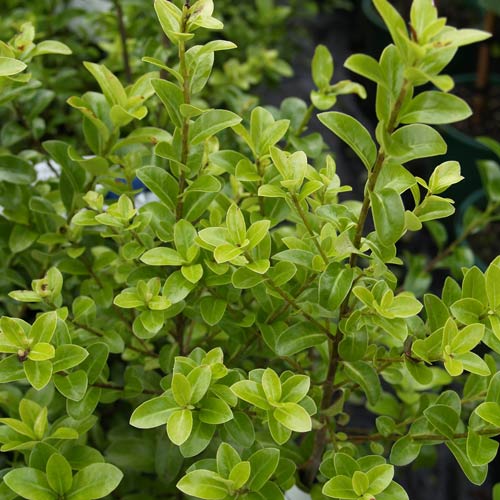
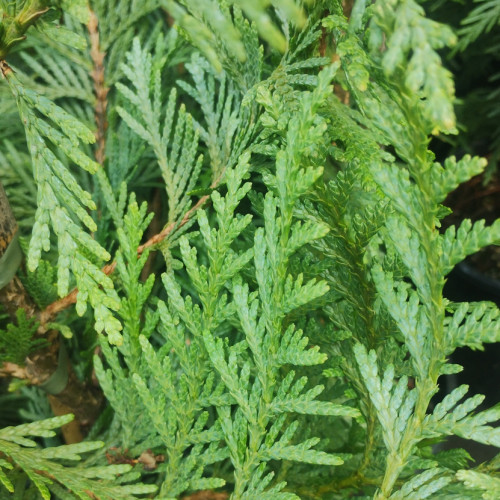
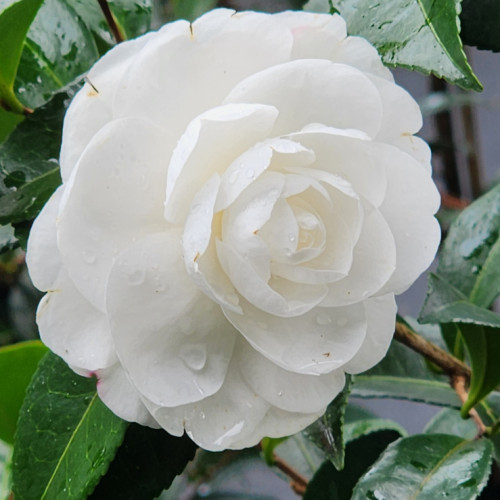
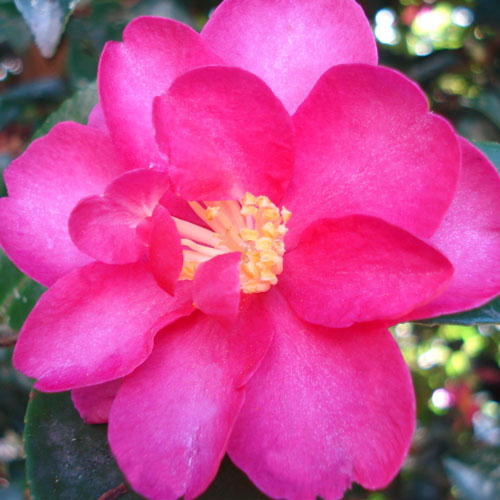
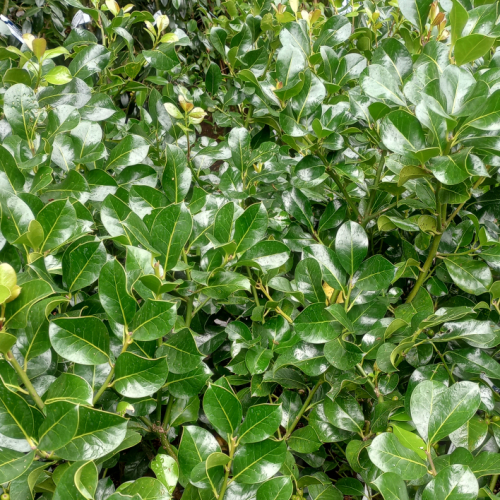
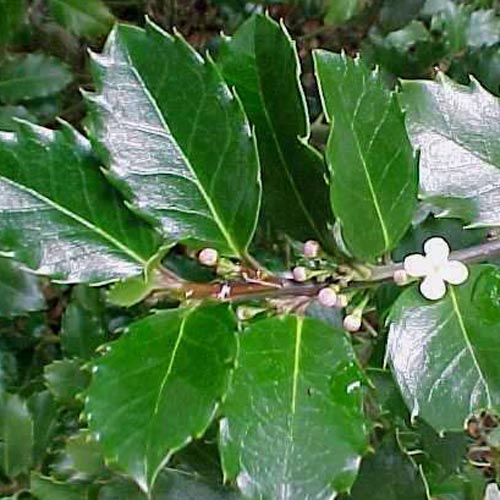
The "stayers" are plants which will take a little longer to get going but these will NOT require multiple prunings each year. These have a steady pace of growth and will ensure you end up having a nice dense shield from prying eyes for many years to come. It may take a little longer to reach this point, maybe 5-6 years, but it will be worth it in the long run. These include Camellias; especially the Sasanqua varieties (meaning mountain tea flower) with their smaller leaves and a range of pretty colours. The Holly family, including Ilex lago and Ilex hendersonii, also make good hedges with the added bonus of very prickly leaves which should discourage would-be thieves. Other hollies include Ilex Blue Angel (female) which, when paired with Blue Prince (male), will produce pretty red berries. Most of these will comfortably grow to around 2m, but can be kept lower.
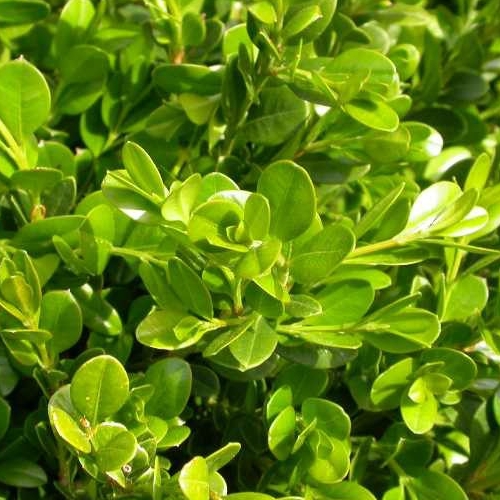
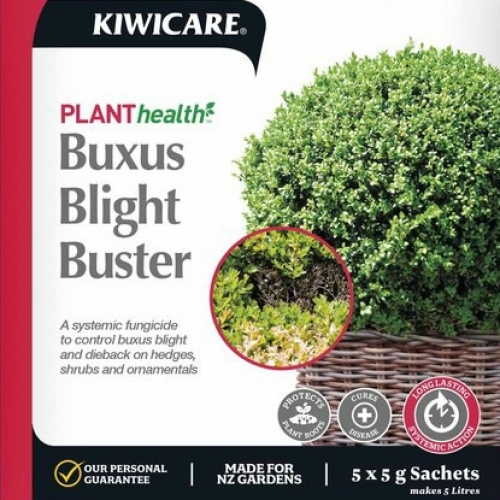
We often get asked about plants which are suitable for low hedges - the sort which make a border around your paths and give the garden that formal or professional finish. Box hedging (Buxus) has been the gold standard for a long time but the arrival of the fungal disease "box blight", which is especially bad in the Waikato, has had gardeners looking for alternatives. There are some blight resistant varieties of box, and here at Wairere we stock these, and we also have many alternatives for hedging that are outside the Buxus genus. Blight is spread mainly by water splash - carrying spores in water droplets, contaminated tools or clothing or by the wind. Spores can be active in the soil for 5-7 years so if you pull out a box plant because of this disease, it's recommended not to plant the same plant in that area. The good news is that it is restricted to only Buxus plants - it does not spread to plants outside that genus. The best way to manage it, if you have already got it, is through your cultural practices. This does not mean saying a karakia when you trim it! It means how you cultivate i.e. water only on the soil not from above. Remove clippings and burn (don't compost) and you can also put mulch under the plants to reduce spore splash.
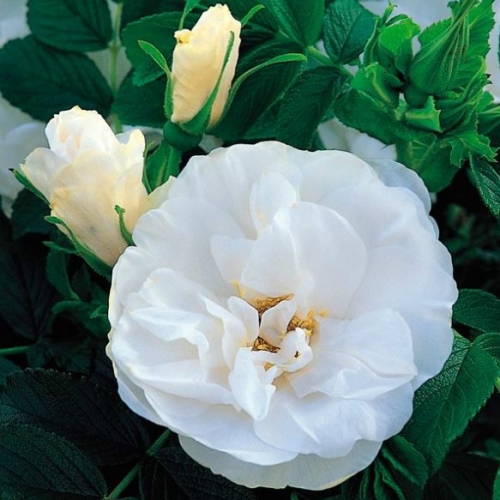
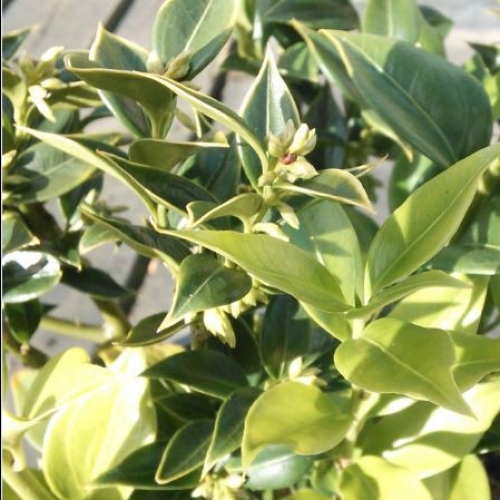
There are a host of other plants which make great low hedges and the difference can often come down to personal choice, colour and availability. We recommend planting most small growing hedging at around 30-50cm intervals, depending on the size of plants. If you want to think "outside the box" you could even consider a rose such as some of the Rugosa varieties which make great hedges, or Sweet Box (Sarcococca Ruscifolia), which has a small cream flower under the leaves and lets off a lovely perfume. We have this in our display garden around the villa. In fact, you will find most of these plants used in our display garden and you can come check them all out "in the flesh" so to speak.
Shade Lovers
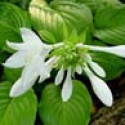
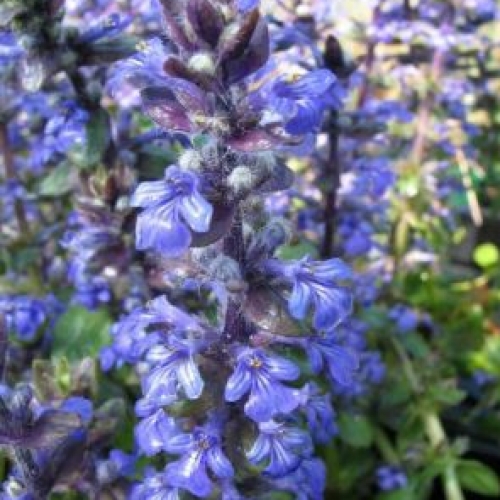
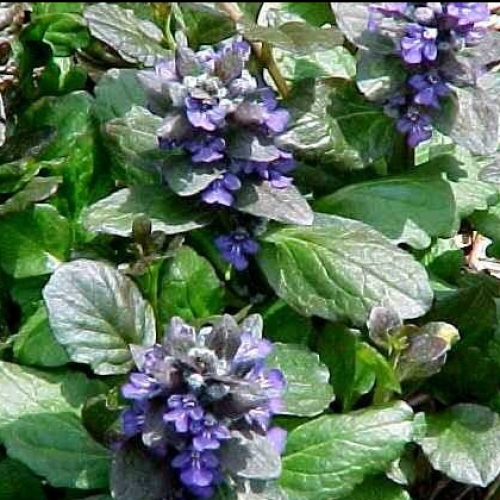
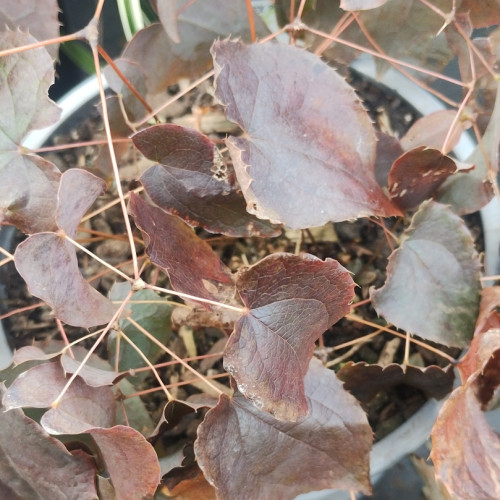
Last week I mentioned Hostas and Lloyd asked me to do a special mention of this fabulous variety Hosta Plantaginea Grandiflora which is known for its large, pure white and highly scented flowers. In this (and other cases) "grandiflora" means large flower. Take it as read that this is a good sign. Leaf-wise you are looking at fresh, green, large leaves but the flower certainly makes a striking show against these. Other shade lovers just arrived include Ajuga, which are a pretty blue-flowering perennial ground cover, and our cute Epimedium which have just started to shoot up fresh new shoots. They are all great in shady spots under trees.
Geranium vs Pelargonium
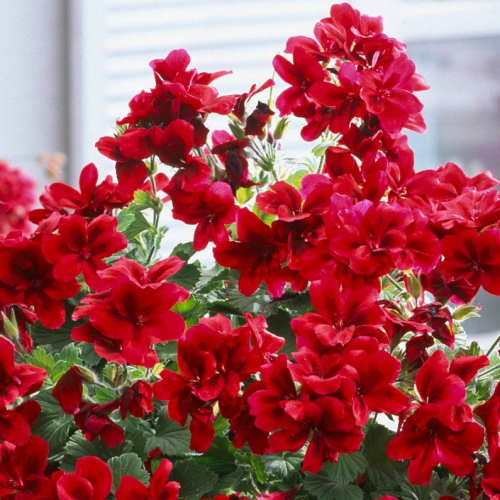
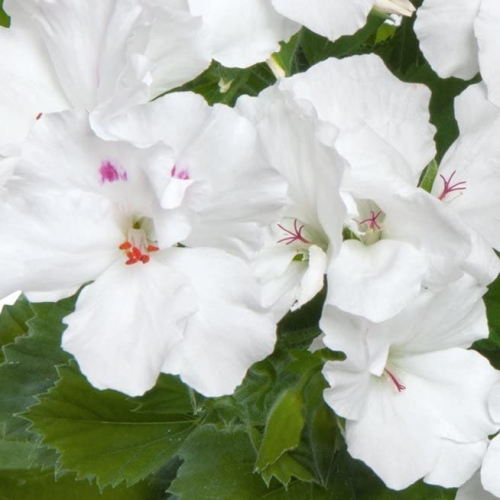
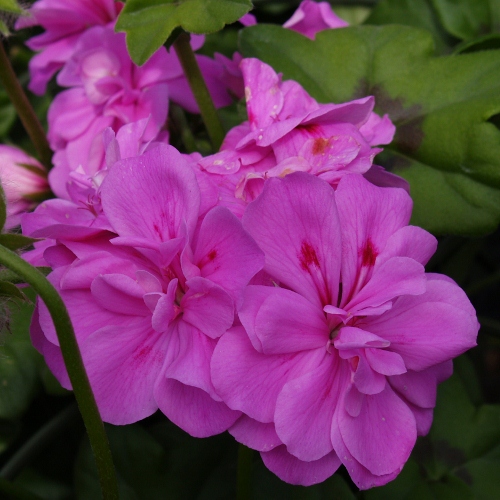
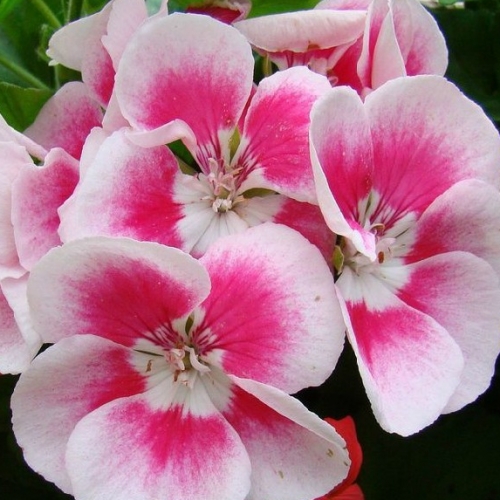
You know that summer is on its way when we start to get pretty Geraniums in store. Contrary to popular opinion, Pelargoniums are not the same as geraniums, although they were originally all classified together, and some of them are still known under that common name. Yes, Pelargoniums are part of the same family (Geraniaceae) and look very similar, but there are distinct differences. The majority of the pelargonium species originated in South Africa. European explorers discovered them there and sent home seeds and cuttings. The botanist, John Tradescant bought seeds from Paris to grow in England in 1631. By the 1800's French perfumers were extracting oils from the scented-leaf pelargonium varieties and during the Victorian era there was a rapid expansion through breeding new varieties. They quickly became popular as a status symbol in England during this time.
Flower-shape can be used to tell the difference between true geraniums, which have 5 equal petals, and pelargoniums, which have 2 upper petals which are different from the 3 lower petals. Adding to the confusion are a whole other set of geraniums called the "cranesbill" geraniums. These are more like deciduous perennials and die away in winter to leave a small crown. Examples would be the famous Rozanne, Tiny Monster and Bertie Crug which we hope to have in October. Take your pick, they are all pretty with flowers of bright red, yellow, pink, white and combinations of these. Ivy leafed geraniums are great for climbing and hanging baskets.
We had a play with the irrigation system at the nursery today as it is starting to get dry in places. The key thing with watering through spring and summer is to conserve whatever soil moisture you have. We have had the big warning that this year's spring is likely to be drier than normal with the strong El Niño weather system in play. To save your new plants from drying out, a layer of organic mulch (wood chip, bark, pea straw, compost) would be super helpful. Apply nice and thick (10cm+), to make sure you block the light from any pesky weed seeds too, and you will enjoy less watering and less weeding. What's not to love?



Have a great weekend! Regards, Tracy.
Cheers from Lloyd, Tony and the Wairere team.
Archived by year 2022 | 2021 | 2020 | 2019 | 2018 | 2017 | 2016 | 2015 | 2014 | 2013 | 2012 | 2011 | 2010 |
2021 Newsletters...
HL Nurseries Limited t/a Wairere Nursery
826 Gordonton Road, R D 1, Hamilton 3281 Ph: (07) 824 3430 Email: