Friday 23rd October, 2026
Hi
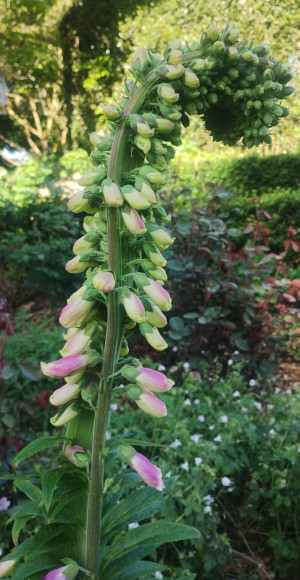
In a world where we are constantly reminded of our fallibility, it's reassuring to know even nature can make mistakes. Some of the mistakes are in the form of mutations or abnormal growth, a fact which is sometimes utilised by growers and breeders to create new plants, or just have something interesting to look at. One of our gardeners came across a foxglove (pictured) in our potager which has a type of abnormal growth called fasciation. This causes a distortion in the cells of the plant which can result in flattened stems and sometimes increased flowering of that plant. It happens when the growing tip grows sideways instead of growing in a normal cylinder shape. It can be caused by cold, frost, physical damage, or insect/mite feeding and doesn't normally affect the overall health of the plant.
Foxglove with fasciation (Distorted flower-spike)
Another example of a plant with a "natural" aberration is
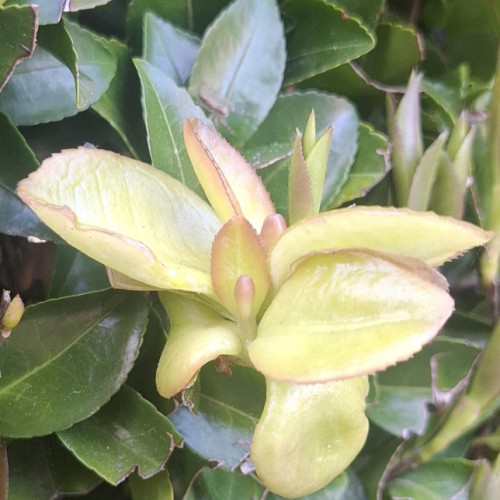
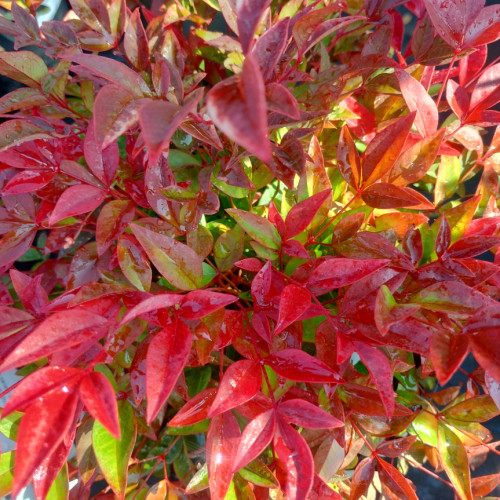
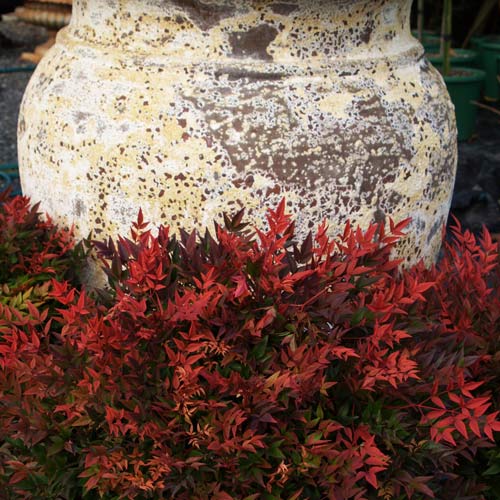
Nandina Pygmaea which has distinctive crinkled distorted and twisted growth. This is the result of a viral infection which is non-terminal and causes its compact dwarf nature, which is useful as a landscaping feature. The crinkled leaves add texture and interest in a world of flat leaves. Another common one is camellia leaf gall which is often seen on new spring growth as fleshy swollen leaves with a pale colour (see image below). This is caused by a harmless fungal disease that causes little to no damage to the plant (which will grow out of it).
Camellia leaf gall
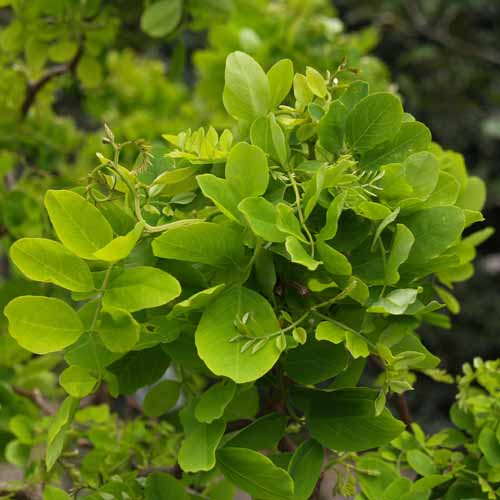
A chance discovery by an Aucklander Peter Cunningham in 1985 resulted in the careful propagation of
Robinia Lace Lady which is an amazing twisted form of the common Robinia (Black Locust). Its unusual appearance make it a striking plant for a pot or feature in the garden.
Camellia Curly Lady has similar twisted and distorted look, which is great for a stand alone specimen in a pot.
Rose Sale: 20% OFF
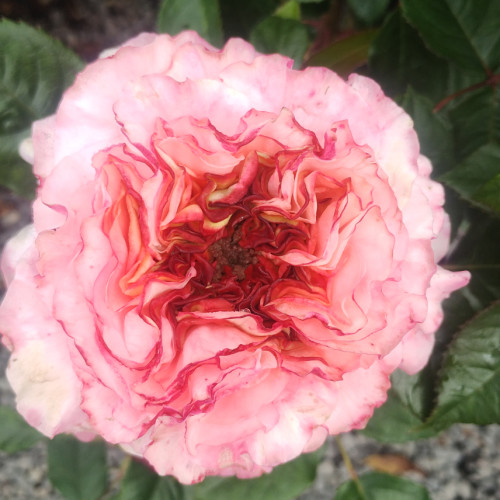
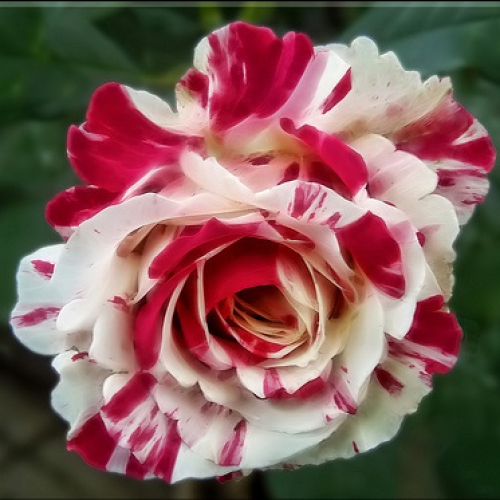
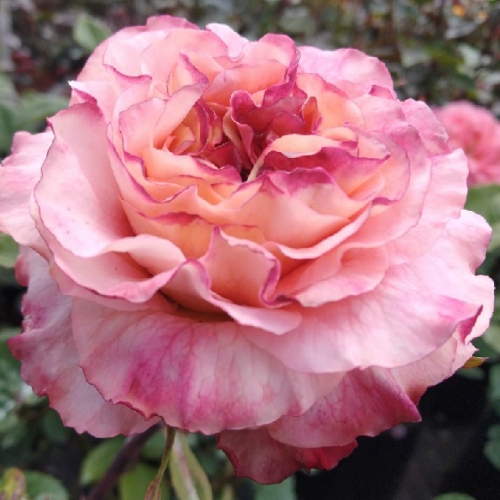
For something to flower for the longest period, from spring to autumn, you can't beat a rose. They are very forgiving and flower even if not pruned. That said, in the humidity of the Waikato, they will definitely grow and flower better if you have a regular spray programme. Our plants are looking fantastic due to regular spraying by our team and also other care and attention to keep them spaced and watered. To continue the theme above, some rose breeders have made the most of nature's variety and created unusual colour combinations and forms. I was talking to Lloyd about the blooms of
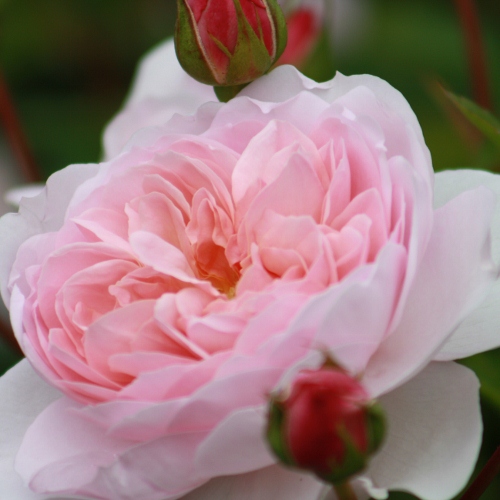
Hayley Westenra which have an unusual form here at present. He mentioned it was often the case with this one, and also
Tequila Sunrise; they have these slightly odd flowers in the first flush. Be assured they will come right with subsequent flowerings.
Hayley Westenra: example of slightly unusual young bloom
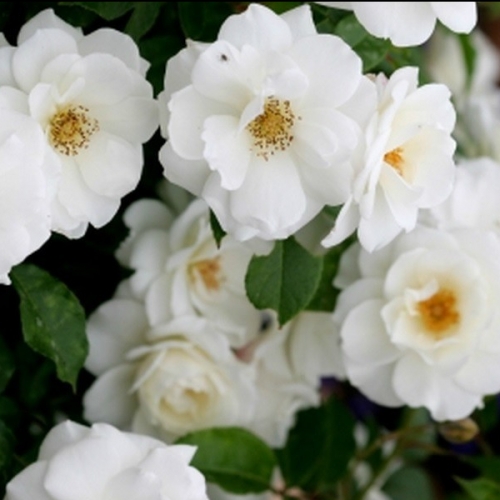
If you are after a classic one-tone, normal-shaped rose there are plenty of those to choose from too!
Small Hedges
If we are going to talk about mistakes, we can't avoid the conversation about plants which don't thrive. At the nursery we are ripping out some of our
Buxus hedges because of the devastating buxus blight which can wreck your lovingly-grown short hedge. We are replacing them with with other varieties which don't suffer as much from this disease. Specifically, instead of Buxus sempervirens (meaning 'evergreen'), we are using
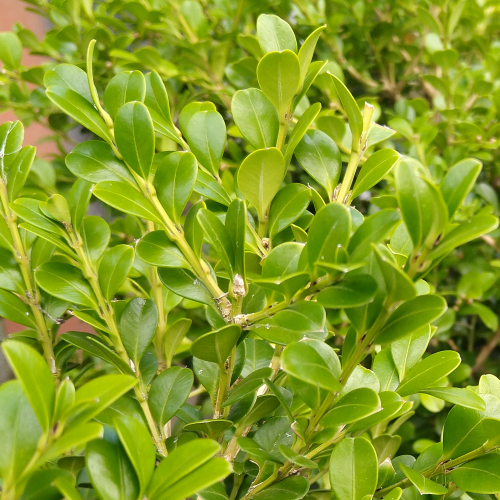
Buxus Green Gem or other
macrophylla ('large leaf') types which are more resistant to the buxus blight. If you love the fresh green of Buxus, then click on this
link and you can see there are many alternatives to Buxus sempervirens. After all, box hedging has been grown for over 4000 years, starting with the Egyptians who shaped them into neat hedges and other forms. When the westerners imported these plants they quickly became useful in the middle ages to demark the edges of medicinal and culinary gardens, as a symbol of endurance and life.
In some cases we are ditching the Buxus genus and planting completely different plants which do not get the blight at all. Examples of other great hedging varieties are already in our display garden including
Euonymus Emerald Gem,
Teucrium fruticans and
Sarcococca Ruscifolia (Sweet or Christmas box).
It's Vege Planting Time
It's Labour Weekend and for plant people, that usually means time to get into your vege garden. Preparation now is a great start for a summer of lovely veges fresh from your patch. In particular, the addition of
compost and
lime to your regular garden bed will help correct the changes which come from harvesting from the same soil every year. New Zealand soils tend to be on the acidic side (pH 5-6) so adding lime regularly helps create an environment where veges will thrive as they generally like things a little more on the alkaline side (pH 6-7). The amount of lime you need depends on the type of soil you have. If it's sandy you would add about 100 gm per m2 and if it's heavy (clay) you would need to add up to 500g per m2.
Nothing is better than fresh new
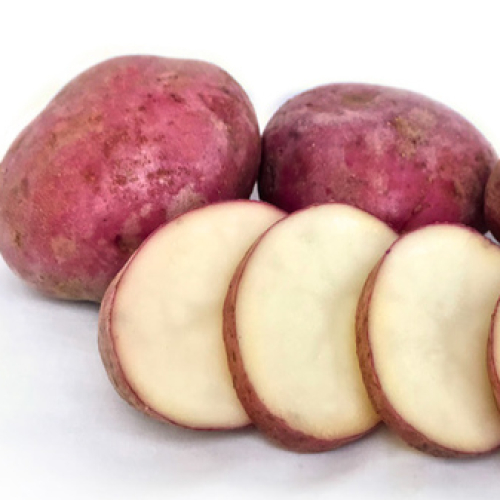
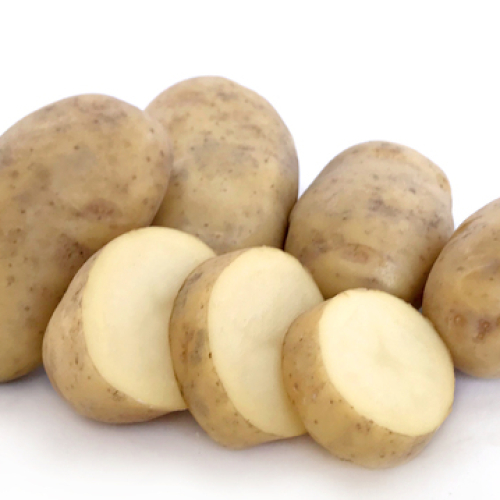
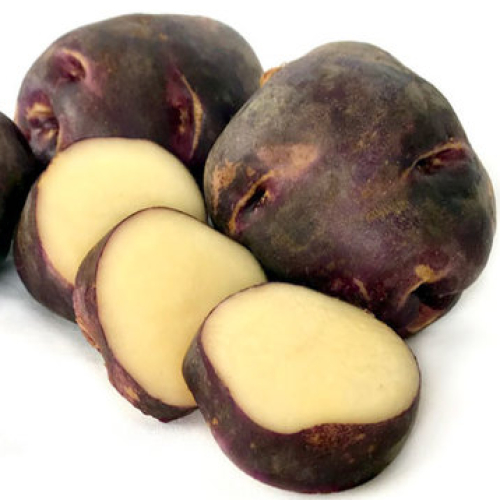
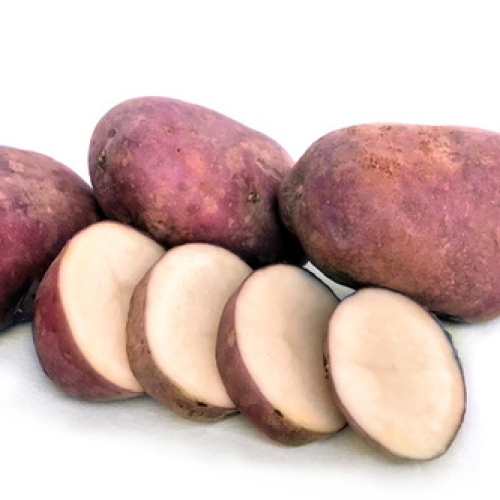
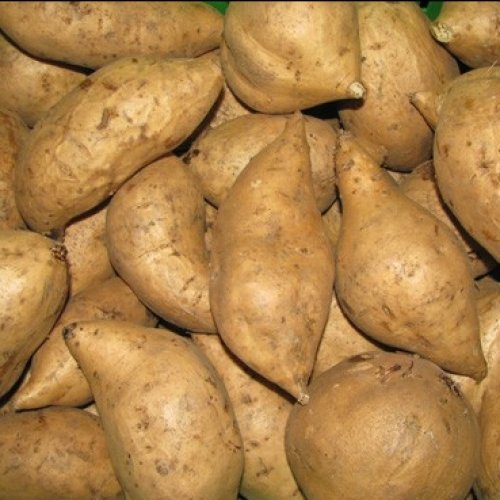
potatoes dug from your garden, steamed or boiled lightly and then tossed with a knob of butter and some of your own garden herbs. Now's the time to plant your potatoes and we have a good range of waxy or floury types to choose from. Check out the varieties
here and how long they take to mature. For most you are looking at 70-100 days. If you want to get some in for Christmas, choose
Rocket or
Swift which are usually ready in 60-70 days. We do have a range of
Maori potatoes which take a little longer to mature, at 110-120 days, so its ideal to get these in shortly so you can harvest in late February.
We have also just received our first shipment of
Kumara slips. These are what you need to get these delicious sweet-potato to grow in your own garden. They are easy if you have a bit of space and can water them well from straight after planting until they are established. For tips on how to plant, check out our how to guide
here.
Like potatoes, different varieties have different characteristics e.g gold kumara are sweeter than red with a smoother texture. These are great for roasting and curries. Orange is the sweetest and has a soft, moist texture which cooks fast. Orange kumara are best used in pies, for mashing and in soups and deserts. The red variety commonly seen in supermarkets has a firm, dry texture which is good for boiling and roasting. Don't forget to give them a feed with
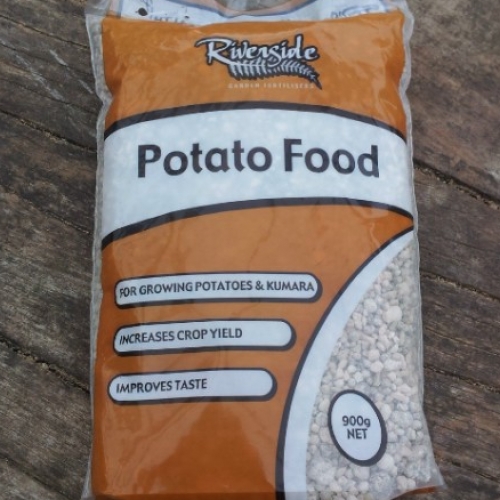
Potato food or
Blood and Bone (if you don't have pets) to develop nice fat tubers. We are expecting more to arrive in the next week or so, but they are in high demand. If you want them you can put them on your waitlist online, or come into the shop and pre-pay.
Thanks for reading. I hope you have an awesome long weekend and excellent weather to boot. We are open this weekend, and Labour Day Monday, 8.30 am to 5 pm (as usual). Regards, Tracy.
Cheers from Lloyd, Tony and the Wairere team.
Last 25 Newsletters...